
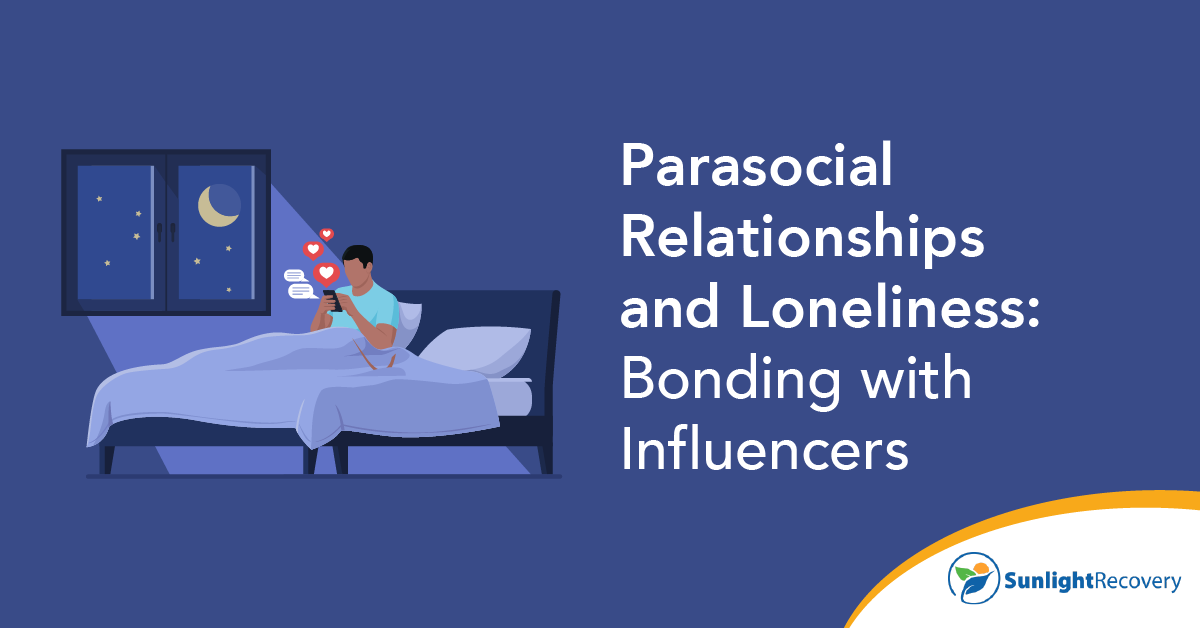
In our digital age, it’s easier than ever to feel close to people we’ve never met. Through daily vlogs, livestreams and social media updates, audiences can develop emotional attachments to creators who share their lives online. These one-sided bonds, known as parasocial relationships, have become increasingly common as influencer culture expands.
While parasocial relationships can provide comfort, they also raise questions about loneliness, self-esteem and mental health. Understanding how parasocial relationships with influencers form — and how they impact emotional well-being — can help us navigate the blurred line between online and real-world connections.
What Are Parasocial Relationships?
At its core, a parasocial relationship is a one-sided emotional bond that forms when a person feels connected to a public figure, media personality or influencer who doesn’t personally know them. The term was first introduced in 1956 by sociologists Donald Horton and R. Richard Wohl to describe the sense of friendship audiences felt toward television hosts. Today, the concept has evolved dramatically with the rise of social media.
The definition of parasocial relationships centers on perceived intimacy: The audience experiences real emotions and familiarity toward the influencer, even though the interaction is unreciprocated. These feelings, which often resemble genuine friendship or admiration, are reinforced by consistent exposure to the influencer’s content.
Unlike fleeting celebrity crushes or casual fan engagement, parasocial relationships often feel authentic and personal. Viewers might celebrate an influencer’s achievements, worry about their struggles or feel betrayed by changes in behavior. These emotions mirror real-life relationships, despite existing entirely through a screen.
Why Do People Form Parasocial Relationships With Influencers?
Parasocial relationships often begin as simple admiration, then grow into something deeper. One of the strongest factors driving these bonds is loneliness. Studies show that about 1 in 6 people worldwide experiences loneliness, a number that has risen with increased digital interaction and social isolation. For many, connecting with influencers can fulfill emotional and social needs. Other common reasons people form parasocial relationships include:
- A sense of companionship. Influencers often share personal stories and everyday moments, creating the illusion of mutual friendship.
- Emotional support. Followers may find encouragement, validation or empathy from influencers who discuss similar struggles or life experiences.
- Shared identity or values. People gravitate toward creators who reflect their interests, backgrounds or beliefs.
- Escapism and entertainment. Parasocial bonds can offer distraction from stress, boredom or loneliness.
- Consistency and familiarity. Regular posts or videos can provide a comforting routine, mirroring the stability of real-life relationships.
While these connections can provide genuine comfort, they also come with consequences. When someone becomes too attached to an influencer, they may start confusing digital familiarity with genuine friendship.
The Negative Impact of Parasocial Relationships
Not all parasocial connections remain harmless or comforting. Because these online bonds lack real reciprocity, followers may pour time and emotion into a relationship that can never fully meet their needs. Some common negative effects include:
- Emotional dependence. Relying on an influencer for validation or comfort can make followers feel anxious or distressed when that person isn’t active online.
- Distorted intimacy. Believing there’s a personal bond when none exists can lead to confusion, jealousy or a sense of betrayal when the influencer’s content changes.
- Social withdrawal. Excessive engagement with influencers may replace real-world relationships, deepening loneliness instead of easing it.
- Reduced self-esteem. Constant comparison to an influencer’s curated lifestyle can trigger feelings of inadequacy or low self-worth.
- Difficulty setting boundaries. Followers might struggle to separate admiration from obsession, leading to intrusive thoughts or unhealthy attachment patterns.
Although these outcomes don’t appear in every case, they showcase how easily emotional investment in a parasocial relationship can move from comfort into dependency. Recognizing these patterns early can help individuals engage with online communities more mindfully.
Signs You Might Be in a Parasocial Relationship
Not every parasocial connection is harmful. Many people experience what psychologists describe as an entertainment–social parasocial relationship, a lighter and typically healthy form of engagement. In this stage, followers enjoy an influencer’s content and casually keep up with their updates. These relationships provide entertainment without interfering with everyday life.
However, when admiration grows into emotional dependence, the relationship can take on more problematic forms. An intense–personal parasocial relationship develops when a follower feels a deep emotional bond, treating the influencer as a close friend. Even though they know the relationship isn’t real, they still feel a strong connection.
In the most extreme cases, a borderline–pathological parasocial relationship may emerge. The follower’s thoughts and feelings become dominated by the influencer, leading to intrusive thinking, possessiveness or distress. Signs of unhealthy parasocial relationships with influencers include:
- Constantly thinking or worrying about the influencer
- Experiencing mood changes or distress based on the influencer’s behavior
- Believing the influencer reciprocates your feelings
- Feeling defensive over the influencer when they engage with others
- Neglecting personal relationships to focus on the influencer
- Making financial decisions based on loyalty to the influencer, even when it strains your budget
These patterns often develop gradually; in fact, many people don’t realize how much emotional space an influencer occupies. The good news is that it’s possible to stay connected online while maintaining healthy boundaries.
Navigating Digital Connections in a Healthy Way
Positive engagement means enjoying what influencers share without letting those online relationships replace the depth of real-world interaction. A few ways to manage digital connections more mindfully include:
- Setting time limits for social media use. Reducing endless scrolling can prevent overexposure and emotional fatigue.
- Diversifying your social interactions. Balance digital engagement with in-person conversations, hobbies and activities that provide genuine connection.
- Being mindful of emotional triggers. Notice when content consistently causes anxiety, envy or guilt and take breaks when needed.
- Reflecting on your motivations. Consider whether your engagement stems from interest and enjoyment or from loneliness and dependence.
- Spend consciously. If you buy products or engage financially, ensure those choices align with your interests and budget.
- Prioritize real relationships. Investing time in friendships and family helps fulfill emotional needs that influencers can’t reciprocate.
While digital connections can feel meaningful, they can’t always meet deeper emotional needs. If you’ve noticed that loneliness, anxiety or low mood are affecting your well-being, it may help to connect with a professional.
Achieving a Healthier Mindset
At Sunlight Recovery, we offer comprehensive treatment for mental health conditions, including depression and anxiety. We help individuals understand the roots of emotional distress and develop practical strategies for lasting recovery. Contact us today to take the first step toward healing and renewed connection.