
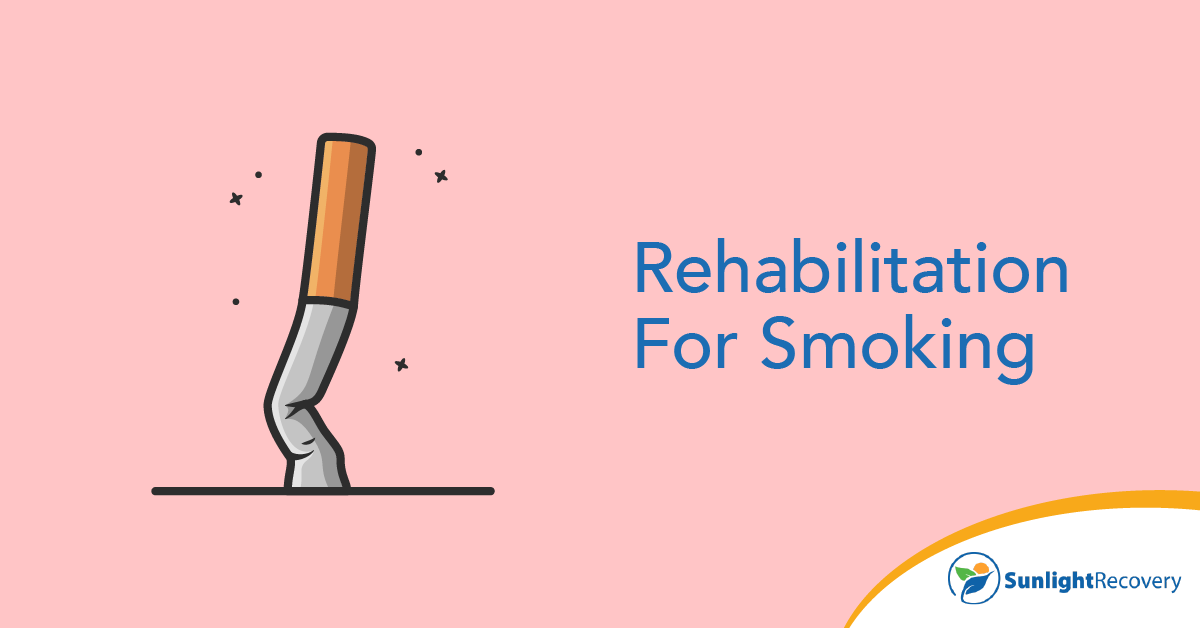
Smoking is known to cause significant harm to the body. According to the CDC, smoking and cigarette smoke exposure cause nearly 500,000 deaths every year. Added to that, over 16 million people have a disease caused by smoking. These include cancer, heart disease, type 2 diabetes and lung disease.
According to Johns Hopkins Medical, 7 out of 10 smokers say they want to stop. But quitting isn’t easy because of nicotine addiction, and most successful rehab for smoking programs combine therapy and medication to alleviate nicotine withdrawal symptoms.
Understanding Nicotine Addiction and Its Challenges
Nicotine is addictive. When you smoke cigarettes, the toxic chemical compounds in the smoke enter your bloodstream, causing physical and mental changes in your body and brain. The same applies if you vape nicotine, though there are fewer harmful chemicals in the vapor than in cigarette smoke.
Addictive Properties of Nicotine
Nicotine is a stimulant that triggers the adrenal glands to release adrenaline, making you feel alert and focused. Cigarettes also intensify the release of dopamine, which increases feelings of pleasure and reward. Unfortunately, these effects are short-lived, stimulating the desire to smoke another cigarette. In this way, the body becomes addicted to the nicotine in cigarettes.
Mental Effects of Nicotine Addiction
Once addicted to nicotine, you can experience physical and psychological cravings. These cravings make you anxious and tense, and you may have difficulty concentrating on tasks. Many people believe the only way to relieve them is by smoking another cigarette.
Physical Changes to the Body
Nicotine affects your body, increasing your heart rate and blood pressure. The chemicals in cigarette smoke damage your lungs and coat them with a black, tar-like substance. This reduces the oxygen supply to your heart, making it work harder.
These effects are cumulative. Long-term side effects include a notable increase in lung disease and emphysema and a heightened risk of stroke. Cigarette smoking is linked to between 80% and 90% of lung cancer deaths.
Nicotine Withdrawal
When you stop smoking, you can experience strong withdrawal symptoms, such as:
- Irritability
- Anxiety
- Impatience
- Restlessness
- Poor concentration
- Insomnia
- Hunger
- Weight gain
These symptoms are worse for the first week and typically decrease gradually. However, the psychological craving to smoke may persist for several months. In some cases, it can reappear off and on for years.
What Smoking Cessation Programs Involve
Cessation programs focus on four key activities: quitting strategies, understanding triggers, coping with cravings and activities that distract you from the desire to smoke.
Mastering Quitting Strategies
This entails deciding when you’re going to stop smoking and how you’re going to achieve this goal. It may include therapy, cigarette substitutes, medication and deliberate lifestyle and behavioral changes.
Understanding the Triggers
You usually start by analyzing the triggers that make you want to smoke. These may be emotions, behavioral patterns or social activities. You also plan how to manage these triggers in healthier ways, often with help from a therapist.
Dealing With Cravings
When you stop smoking, you may experience powerful cravings. If necessary, you can use a nicotine replacement product or medication from your doctor to reduce these cravings. Also, look for activities you can substitute for smoking, such as chewing gum, sucking on hard candy, or eating fruit or hard vegetables like carrots and celery.
Activities That Take Your Mind off
Taking part in activities that take your mind off smoking can help. For example, go for a walk or socialize with people who don’t smoke. Avoid situations and activities associated with smoking.
Cessation Programs
Enroll in one of the many smoking cessation programs, such as:
- Quitlines. A telephone-based service that combines clinical support, monitoring and treatment
- Empowered to Quit. An email program sponsored by the American Cancer Society
- Freedom from Smoking®. A personalized program backed by the American Lung Association
Behavioral Therapy and Medication Options
According to the VA, research shows that you have a better chance of stopping smoking if you combine counseling with medication to reduce cravings.
Behavioral Therapies
Therapy is a key part of addiction treatment, and nicotine addiction is no different. Cognitive behavioral therapy for smoking is a practical, hands-on therapy for dealing with nicotine addiction. Alternatives include motivational interviewing, a person-centered counseling process, and mindfulness that helps reduce anxiety and manage cravings.
Medications to Reduce Cravings
Three medications are commonly used to reduce nicotine cravings. Nicotine replacement therapy, available as a patch, lozenge, gum or spray, has tiny amounts of nicotine that reduce withdrawal symptoms. Varenicline stops nicotine from binding to the central nervous system while releasing small amounts of dopamine to reduce withdrawal symptoms. Bupropion reduces nicotine cravings and withdrawal symptoms.
Benefits of Rehab for Chronic or High-Dependency Smokers
Heavy smokers are more at risk of medical complications than other smokers. This group finds it difficult to quit because of the elevated levels of nicotine in their system. Their smoking habit has become ingrained, and it’s more difficult to conceive of life without cigarettes.
Inpatient rehabilitation might be a choice for a high-dependency smoker. This typically involves medically supervised withdrawal and intensive counseling. Benefits of rehab for smoking include:
- Psychological support. Face-to-face and group counseling reduce anxiety and psychological dependence on smoking.
- Lifestyle training. Participants review their lifestyle and make changes that reduce the likelihood of a relapse.
- Group therapy. Working in groups helps people understand they aren’t alone and increases their motivation to succeed.
How Rehab for Smoking Fits Into Broader Addiction Recovery
Smoking is common among people with substance use disorders (SUD). In fact, people with an addiction to another substance are more likely to be addicted to nicotine. Studies show that adults who are being treated for SUD are more likely to remain in remission if they also quit smoking. This research indicates that treatment centers should focus on smoking addiction rehab at the same time as treating SUD.
Long-Term Support for Staying Smoke-Free
The relapse rate among smokers is around 60% after 1 year. To stay smoke-free, it’s essential to implement changes to your lifestyle to help you resist the temptation to smoke. One possibility is to create a positive support group of people who reinforce your desire not to smoke again. Identify associates who don’t want you to quit and will pressure you to start smoking again. It’s best to avoid socializing with such people, especially in the first months of your smoke-free life.
Getting Help
If you’ve tried to stop smoking and failed, consider enlisting in a smoking cessation program or speaking to us at Sunlight Recovery about smokers’ rehab. We offer a full range of outpatient counseling services as well as inpatient treatment for addiction and substance abuse. We’re open 24-7 to answer your questions about drug and alcohol addiction treatments.