
Sleep apnea is a disorder characterized by stops and starts in a person’s breathing while they sleep. Worldwide, it affects an estimated 936 million adults between 30 and 69 years of age. Symptoms can include loud snoring, gasping for air while sleeping, dry mouth, morning headaches and irritability. Individuals with sleep apnea may also experience insomnia — the inability to stay asleep at night — or hypersomnia, excessive sleepiness during the day. These symptoms can worsen after drinking due to a link between sleep apnea and alcohol.
There are three types of sleep apnea:
- Obstructive sleep apnea, the most common, occurs when the throat muscles relax during sleep and block airflow to the lungs.
- Central sleep apnea happens when the brain fails to send signals to the muscles that control breathing.
- Treatment-emergent central sleep apnea begins as obstructive sleep apnea and evolves while receiving treatment for existing symptoms.
A variety of factors can worsen sleep apnea. For example, sleeping on your back can heighten symptoms. Being overweight and having certain medical conditions, such as high blood pressure and diabetes, can result in additional symptoms. Similarly, drinking alcohol may make sleep apnea more problematic.
So, does alcohol make sleep apnea worse? The answer is yes. Learn more about the link between alcohol and sleep apnea and how to reduce symptoms.
Does Alcohol Make Sleep Apnea Worse?
Alcohol can lead to poor sleep quality, even in individuals who don’t have sleep apnea. Although alcohol acts as a sedative and can cause feelings of drowsiness, it impairs REM sleep, so people who consume alcohol before bed are less likely to feel refreshed when they wake up. Falling into a deep sleep quickly disrupts the typical cycle of four stages of sleep, all of which are necessary for physical and mental well-being.
After drinking, individuals may wake up more frequently throughout the night. After the initial alcohol-induced deep sleep phase, a person may have trouble falling back to sleep after they wake up. As a result, people who drink regularly may experience insomnia at night and excessive sleepiness during the day. This cycle of disrupted sleep can result in unhealthy sleep patterns.
Sleep Apnea and Alcohol
Drinking alcohol doesn’t just lead to disrupted sleep. Research has shown it can also worsen the symptoms of sleep apnea for those already diagnosed with the condition. A study published in 2024 found that the more alcohol a person consumed, and the more frequently they engaged in binge drinking, the greater the risk of snoring episodes and other sleep-apnea-related problems.
Researchers speculated that regular alcohol consumption had two major impacts. First, those who drink regularly tend to have a higher BMI due to the calorie-dense nature of alcoholic beverages. Second, alcohol acts as a muscle relaxant and can increase snoring, impact the sleep cycle and reduce oxygen saturation in patients with obstructive sleep apnea.
As a relaxant, alcohol affects the muscles in the nose and throat. As these muscles relax, they’re more prone to fluttering, increasing the likelihood of snoring. The muscles also go slack as they relax, potentially creating airway obstructions that may interrupt breathing while sleeping. This can lead to poor sleep quality and increased incidences of wakefulness during the night.
People also have a higher arousal threshold after drinking, meaning it’s harder for them to wake up. Typically, individuals with obstructive sleep apnea partially awaken when their oxygen levels drop, triggering a normal breathing pattern. Those under the influence of alcohol are slower to arouse, which can result in longer or more severe periods of low oxygen while they sleep. Alcohol use can increase the frequency and duration of breathing pauses in individuals with sleep apnea.
Treating Sleep Apnea
A variety of treatment options are available to lessen the symptoms of sleep apnea. Lifestyle changes are an effective way to reduce symptoms, especially for individuals with mild cases. One simple change is sleeping on the side or stomach instead of the back, which can make breathing easier. Losing weight and stopping unhealthy behaviors, such as smoking, can also lessen symptoms. Likewise, reducing alcohol consumption can minimize the effects of sleep apnea.
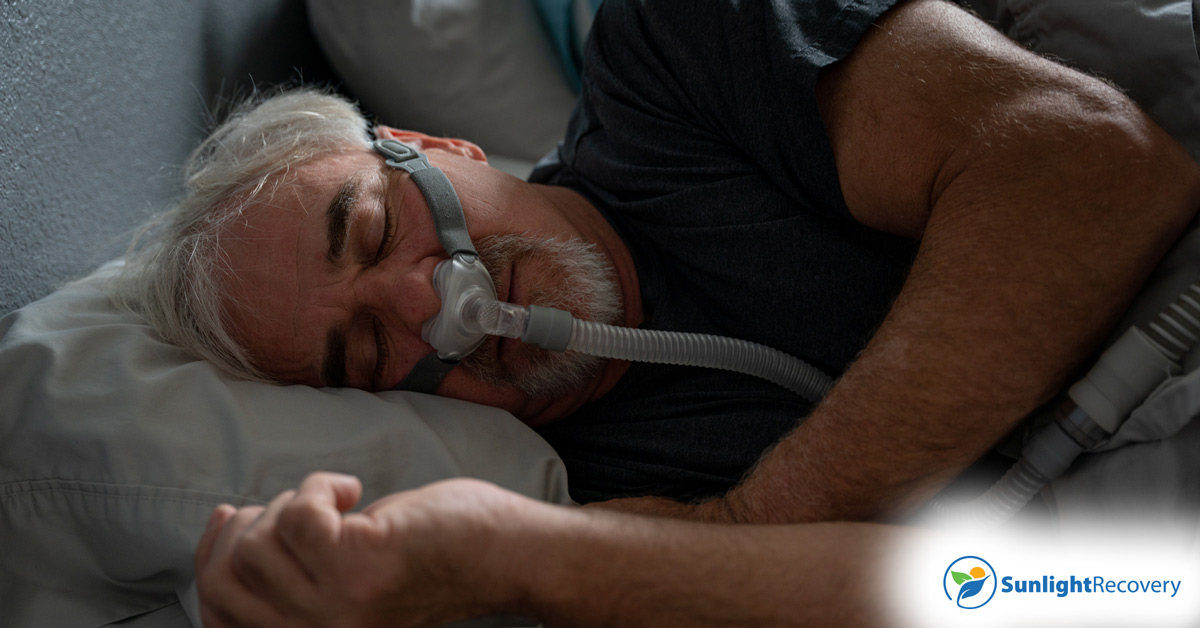
Moderate to severe cases often call for the use of a continuous positive airway pressure (CPAP) machine. Individuals wear a mask when they sleep, and the machine works to increase air pressure and keep the upper airway passages open. Ideally, individuals with moderate to severe sleep apnea should avoid alcohol. However, if they do drink, using a CPAP machine is especially important as it can help prevent the airway from becoming obstructed.
Oral appliances are another treatment option for sleep apnea. Similar to a retainer, the device is placed in the mouth to help keep the airway open during sleep. These appliances are often less cumbersome to use than CPAP machines, making them appealing to individuals with mild sleep apnea.
Reducing Your Sleep Apnea Symptoms
Identifying lifestyle factors that can worsen sleep apnea is the first step in reducing symptoms. Alcohol can increase your sleep apnea symptoms, including snoring and the frequency of breathing episodes during the night. Reducing your alcohol intake, then, is essential to properly manage your sleep apnea and achieve a more restful night’s sleep.
If you’re concerned your alcohol intake is affecting your health, including your sleep apnea, we’re here to help. Contact Sunlight Recovery to learn more about our programs. Our alcohol addiction treatment can help you improve your sleep apnea, beat alcohol dependence and improve your overall health.
Frequently Asked Questions
Can I Use a CPAP After Drinking Alcohol?
You can use a CPAP after drinking alcohol, and those with sleep apnea are advised to do so, as consuming alcohol can make the symptoms worse. Using a CPAP helps keep your airways open during sleep.
How Does Alcohol Affect Sleep Apnea?
Alcohol can worsen the symptoms of sleep apnea. It relaxes the muscles in the throat, making the airway more likely to become blocked and preventing clear breathing.
Does Alcohol Affect the Quality of Your Sleep?
While alcohol can make you feel tired, it reduces REM sleep and can also be harmful for those with sleep apnea. Alcohol relaxes the throat muscles, increasing snoring and impairing breathing.
Can I Drink Alcohol If I Have Sleep Apnea?
Drinking alcohol isn’t recommended for individuals with sleep apnea. If you do choose to drink, it’s important to use a CPAP machine when sleeping to prevent your sleep apnea symptoms from getting worse.