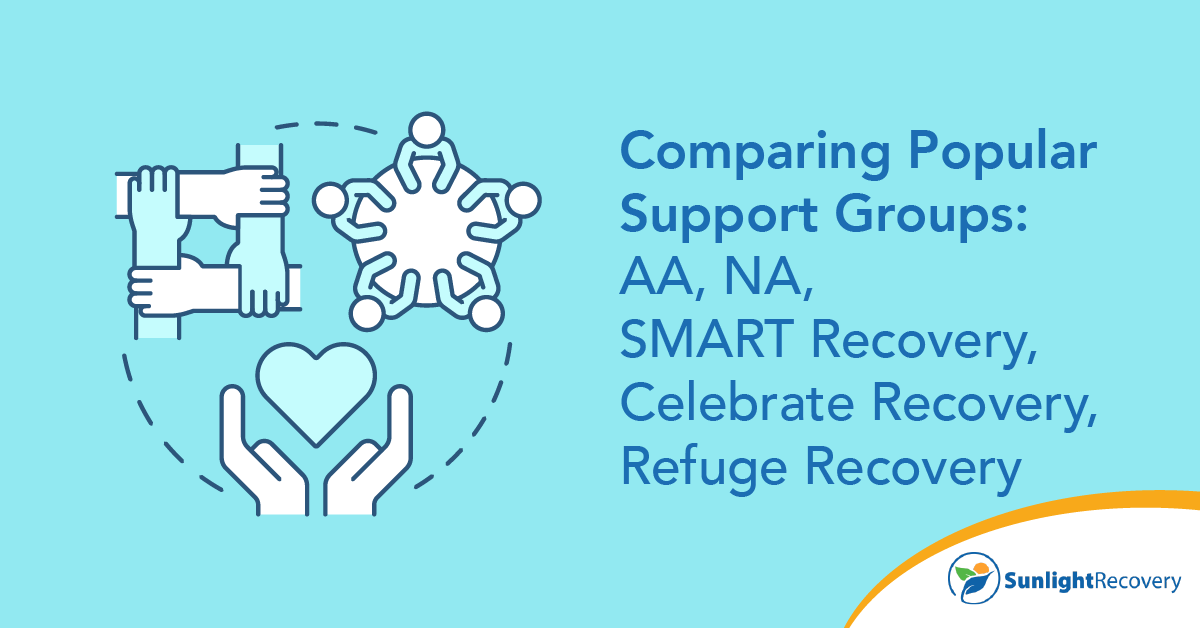
Support groups offer numerous benefits to those in addiction recovery. They can reduce feelings of isolation and loneliness as you connect with others, and peers with shared experiences can offer emotional support that family members may not be able to. Individuals who’ve had success with a support group or recovery program, like those offered at Sunlight Recovery, can also provide practical guidance and recommend resources to help you on your own journey. With different types of addiction support groups available, you can find an option that works well for your personality, beliefs and recovery needs.
Why Support Groups Are Crucial for Recovery
Cravings, anxiety about dealing with life sober and navigating work and relationships after rehab can create obstacles to long-term recovery. Having a support system in place to hold you up when you might otherwise stumble after addiction treatment helps you maintain focus, stay accountable to your goals and recover momentum as you move toward a healthier lifestyle.
While support networks often include friends and family, those closest to you aren’t always equipped to provide all the help you need in recovery. Family members may also be working to move into a healthier lifestyle themselves, unlearning habits that might have contributed to your substance abuse or overcoming defense mechanisms set in place because of substance abuse. In other cases, family and friends may be caught up in a lifestyle associated with addiction, unable to provide the support you need.
Wherever you fall on that spectrum, stepping outside your immediate family and social network for some support can be helpful. Support groups offer structured mechanisms to connect with others who are familiar with the struggles of addiction and have had some success on their own remaining sober. You can return to these support groups repeatedly for accountability, guidance and inspiration, regardless of what’s happening closer to home.
If you’re in the early part of your recovery journey, consider starting with an inpatient or outpatient addiction treatment program that provides the structured support you need, such as those offered by Sunlight Recovery.
Types of Addiction Support Groups to Choose From
AA and NA: The 12-Step Foundation
Alcoholics Anonymous dates back to 1935, when two men came together to share struggles with alcoholism and support each other in seeking sobriety. They went on to help other people remain sober, launching the 12-step program AA is known for. Decades later, the program remains popular. Among people with alcohol use disorder, around 10% report participating in AA at some point in their lifetime. Narcotics Anonymous follows a similar 12-step program and is a support group for those in recovery from drug abuse disorders.
Both groups encourage people to work on completing 12 steps toward recovery in a defined order and have structured meetings that include time for sharing and responding to the stories of others. These groups point people toward a higher power (of their choosing) and encourage program participants to seek support from that higher power for recovery. Generally, people going through AA and NA work with sponsors, who are peers further along the recovery journey. Sponsors offer accountability and mentorship to others.
SMART Recovery: Science-Based and Secular
Among those who attend a weekly mutual-help organization (MHO), around 32% choose 12-step-based programs like AA. Close to 2% choose second-wave MHOs like SMART Recovery programs, but researchers believe second-wave attendance is on the rise.
The biggest difference in AA vs. SMART Recovery is that SMART Recovery is secular. It doesn’t include or promote reliance on a higher power as part of its model, instead using methods like cognitive behavioral therapy. SMART Recovery has a four-point program instead of 12 steps, and it’s led by trained facilitators.
SMART Recovery programs, like AA, have recorded positive impacts. In one pilot study of SMART recovery groups, 94% of individuals reported benefits like more success with abstaining from drugs or alcohol.
Celebrate Recovery: Faith-Based Approach
Celebrate Recovery is another 12-step model. Unlike AA, which encourages program participants to define their own higher power, Celebrate Recovery programs are Christ-centered. They rely on Biblical foundations to support individuals through recovery, and the 12 steps originally used in AA are modified slightly for this purpose.
While AA focuses on recovery from alcohol addiction, Celebrate Recovery focuses on a wider variety of addictions and disorders, including alcohol and substance abuse, eating disorders and mental health concerns. The programs do include regular group meetings, sharing your story with others and seeking accountability through a sponsor.
Refuge Recovery: Buddhist-Inspired Healing
Refuge Recovery is inspired by Buddhist traditions of meditation and mindfulness. The program’s foundation includes the Four Noble Truths:
- Addiction is suffering.
- Craving causes it.
- Recovery is possible.
- A path to recovery exists.
Refuge Recovery doesn’t require a belief in a higher power like AA or Celebrate Recovery; instead, it focuses on growing self-empowerment over addiction. The goal is to heal the whole person through understanding and overcoming addiction rather than simply working to abstain from drugs or alcohol.
Like AA meetings, Refuge Recovery meetings are peer-organized and -run and occur regularly to promote accountability, support and sharing.
Choosing the Right Group for Your Beliefs and Needs
When considering types of addiction support groups, think about your needs, beliefs and preferences.
- Do you want a faith-based or secular approach? Christians who want to tie their recovery to a walk with Jesus might have success with Celebrate Recovery, while those who feel drawn to a less specific higher power might prefer AA or NA.
- How structured do you want meetings to be? Some programs follow a defined step-by-step journey. Others use open discussion, facilitator-led sessions or flexible skill-building formats. Research group approaches and ask questions about meeting formats before you join in.
- Can you experience options before making a long-term commitment? Visit groups in your area to better understand the dynamics of meetings. Pay attention to how you feel during and after meetings. While the accountability involved might sometimes feel uncomfortable, a support group that works well for you shouldn’t leave you with added anxiety. Instead, look for options that make you feel more focused on recovery and less alone in your journey.
- Which options have sponsors or mentors available? Consider whether an option will meet your needs for ongoing support and accountability.
Get Addiction Help Now
Are you just starting your recovery journey, or do you need more support than a weekly meeting can offer right now? Reach out to Sunlight Recovery to find out about inpatient and outpatient addiction treatment options that can help.