
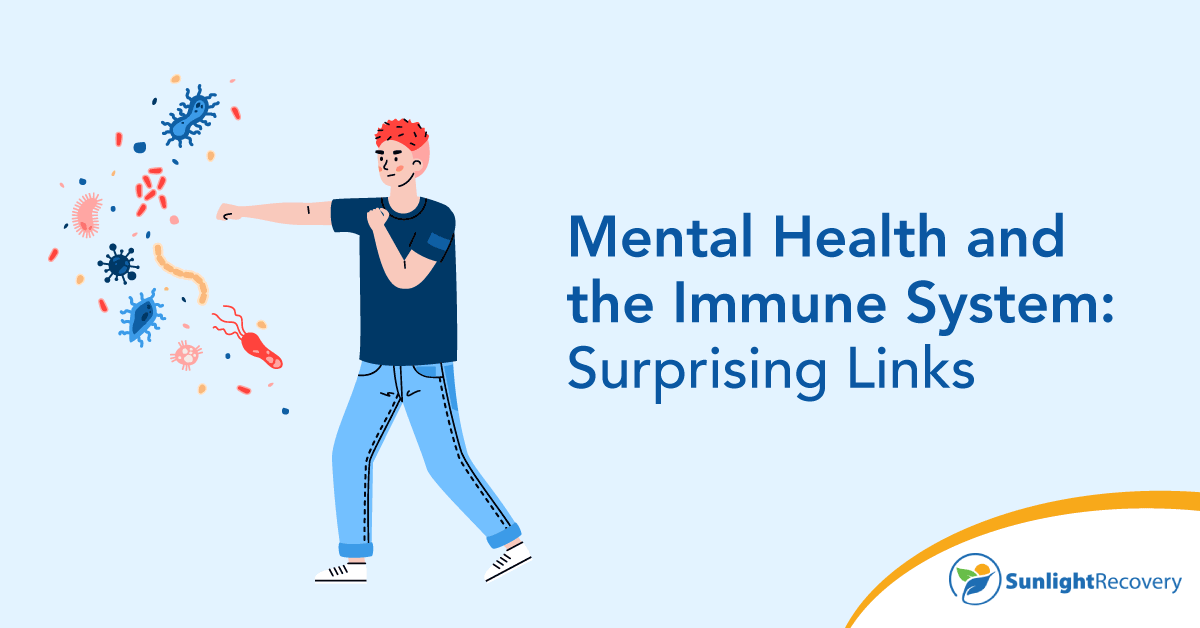
The relationship between an individual’s physical and emotional health is referred to as the mind-body connection, a theory that explains how our thoughts, feelings, attitudes and beliefs can positively or negatively impact our physical health, especially the immune system. One interesting aspect of the link between our mental health and immune system is that poor mental health can make us more susceptible to illness.
This blog post explores the links between mental health and immune response, highlights key findings on research regarding both and provides steps you can take to support your emotional and physical well-being. Understanding this connection makes it easier to ensure your body and mind function optimally.
How The Immune System Impacts Mental Health
The immune system is made up of cells, proteins and organs that work together to help the body fight germs and other harmful substances. Stress, anxiety, depression and other mental health issues can impact how well the immune system works. During stressful times, the body produces cortisol, a stress hormone that suppresses immune function. The presence of cortisol in the body can slow down healing and make an individual more vulnerable to minor infections and even chronic diseases.
Recent research suggests that some of the immune cells in the gut have an impact on psychological stress responses. Researchers conducted studies on mice, and found that increased stress on those cells affected the social behavior of the mice. This research builds on previous findings, which compared the gut microbiomes of human adults living with major depressive disorder.
It’s hoped that targeting the changes in the body caused by these cells could help people living with depression and similar mental health challenges. The cells of interest are gamma delta T cells, and the dectin-1 protein receptors found on the surface of those cells.
Key Findings on Mental Health and the Immune System
Recent research on the immune system and mental health has revealed multiple key findings:
- Links between gut health and brain function. You’ve probably heard the phrase “You are what you eat.” Studies have shown that 70% of our immune system cells are located in the gastrointestinal tract, or the gut. The gut also contains bacteria, fungi, viruses and protozoa, collectively known as the microbiome, which work together to regulate the immune system. Some bacteria produce brain neurotransmitters, such as serotonin, that act as antidepressants.
- Inflammation and its role in mental health. Individuals who struggle with chronic inflammation, such as arthritis, have a higher risk of developing depression and anxiety than those who don’t. According to recent studies, individuals living with arthritis may be between two and ten times more likely to develop arthritis than those without. Studies have also shown that those with certain mental health disorders often have elevated levels of C-reactive protein and interleukin-6. Markers of inflammation are often found in patients with autism, bipolar disorder, schizophrenia, obsessive-compulsive disorder and other developmental or psychiatric disorders.
- Sleep and the immune system. Approximately 12% of adults in the United States have been diagnosed with insomnia. Insufficient sleep, or poor quality sleep, can interfere with a person’s day to day life as well as their long-term health. Sleep is the body’s natural way of repairing and refreshing itself, and it can help in the fight against heart disease, obesity, dementia and diabetes. Poor sleep quality can also weaken the immune system, make fighting off infections much more difficult and worsen mental health symptoms.
- Social support and immune function. Research suggests that having close friendships helps boost moods and provides many mental health benefits. Social loneliness and isolation have been linked to increased mortality rates and poor health. Lonely individuals often have higher levels of inflammation due to their immune system’s response. This inflammation leads to a higher risk of dementia, stroke, cardiovascular disease and mental health disorders.
Practical Steps to Support Mental and Immune Health
Incorporating a few lifestyle changes can help bolster your immune system and support your physical and mental well-being. The following are some practical ways to help you achieve a healthy mind and body.
- Get enough sleep. The amount of sleep you need to wake feeling alert and refreshed may vary from person to person, but typically, experts recommend adults aged 18 and older get 7 to 9 hours of sleep each night. Individuals who sleep fewer than 7 hours of sleep a night tend to have more health problems than those who get a good night’s rest. If you’re struggling to get enough sleep, it may be a sign of an underlying condition, and you should make an appointment to speak to your doctor.
- Stay socially connected. Family and friends are an excellent source of emotional support, which helps you feel loved and appreciated. Having quality relationships helps put you in a better mood, decrease anxiety and depression, boost the immune system and allow it to function as it should. People who have at least one good friend to spend time with typically live longer and recover more quickly from infections. If loneliness or isolation is a problem and you find it difficult to find the energy to socialize, talk to a counselor. At Sunlight Recovery, we provide mental health support for people facing addiction, anxiety, depression and other mental health challenges.
- Eat a healthy diet. Eating a healthy and balanced diet is one of the best ways to support a healthy immune system. Choose a diet rich in whole fruits, vegetables, lean proteins and whole grains. Foods rich in antioxidants, such as berries, leafy greens and nuts, help reduce inflammation and protect the immune system. Additionally, natural probiotics, such as yogurt and kefir, help support gut health, which benefits mental and physical health.
- Exercise daily. According to the Centers for Disease Control and Prevention, adults aged 18 and older should get at least 150 minutes of exercise each week. This equals 30 minutes of walking five times a week. Not only does exercise boost the immune system, but it also benefits your emotional health by triggering the release of endorphins, improving mood and reducing stress.
- Manage stress. Managing stress is important for your mental health and immune system response. Practice stress-relieving techniques, such as meditation, deep breathing and stretching. You can also try a new hobby, such as journaling or painting. If you’ve lost interest in hobbies and social activities and are feeling a persistent low mood, seek help from your physician or a counselor at Sunlight Recovery.
- Seek professional help. If you’re struggling with mental health issues, reach out for professional help. Cognitive behavioral counseling, medications and group meetings can be positive ways to address your mental health condition and prevent it from impacting your physical health.
Exploring Your Mental Health Help Options
If you struggle with mental health issues and you’d like to learn about your available options, contact Sunlight Recovery to speak to one of our caring counselors. Our team is always available to explain our inpatient and outpatient programs, and discuss how we can help boost your immune system and mental health.