

Crack cocaine is a dangerous stimulant drug. People use it because it gives them energy and makes them feel euphoric. Unfortunately, the drug is highly addictive, and users quickly spiral down as they become dependent. According to the CDC, 59% of all drug overdose deaths involved stimulants. Cocaine originates from the leaves of the coca plant found in Bolivia, Peru and Colombia. Historically, Andean peoples have used coca leaves as a stimulant to relieve hunger, fatigue and altitude sickness. Cocaine is one of the most popular illegal recreational drugs in the United States.
Warning: This informational guide includes images of crack cocaine and other forms of cocaine, together with paraphernalia used to take cocaine. Do not read this article if these images could act as a trigger. If you have questions about cocaine addiction, don’t hesitate to contact us at Sunlight Recovery.
What Is Crack Cocaine?
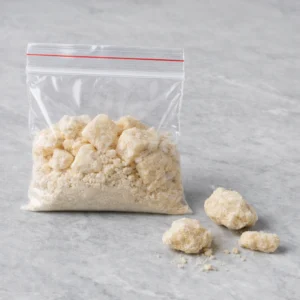
Depiction of Crack Cocaine – Concept Image
Crack cocaine is a hard but brittle solid that has a white or yellowish coloring. Dealers usually break solid cocaine into small, irregularly shaped stones or flakes. It’s made from powder cocaine by adding sodium bicarbonate and boiling the mixture in water.
Users heat crack in a pipe and inhale the vapor. Human lungs have a large surface area, so the drug acts very quickly, giving an intense but relatively short high. The urge to repeat the process to sustain the high is one reason why crack cocaine is so addictive. Crack gets its name from the cracking sound caused by the drug decomposing. You can also smoke chemically altered crack cocaine, a practice known as freebasing.
How Crack Differs From Powder Cocaine
Cocaine is a fine white powder. Its true chemical name is cocaine hydrochloride. It’s made by dissolving coca paste in hydrochloric acid and using potassium salt to precipitate a white powder.
Addicts snort powder cocaine using a straw, pipe or paper tube. Alternatively, they can dissolve the powder in water and inject the solution into their veins. Although not as fast-acting as crack, the high from powder cocaine lasts for up to 30 minutes.
Common Cocaine Paraphernalia
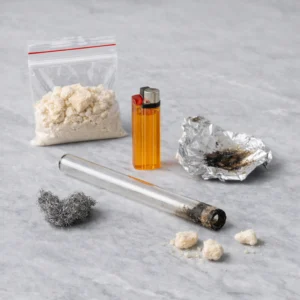
Items commonly associated with crack cocaine use may include glass pipes, steel wool, lighters, and small baggies containing rock-like substances. (Concept Image)
Here’s a list of common items used for smoking, snorting and injecting cocaine.
Items Used to Smoke Cocaine
- Crack pipes. A glass or metal tube with a bowl at one end and a mouthpiece at the other.
- Tin foil. For heating a small amount of crack.
- Chillum pipe. A conical ceramic or stone pipe.
- Roach clips. Metal clips for holding crack pipes and tubes.
Items for Snorting Cocaine
- Plastic straws, tubes and hollow pens. Used to inhale a line of cocaine.
- Miniature spoons. For placing a small amount of cocaine in the nose.
- Small mirror. A smooth surface for dispensing cocaine.
- Razor blade or cards. A straight, sharp edge for cutting cocaine into lines.
- Snuff bullets. Bullet-shaped cocaine dispensers.
Paraphernalia for Injecting Cocaine
- Syringes and needles. Used for injecting cocaine solution into the veins.
- Spoons or bottle caps. For mixing cocaine with water.
- Mild acids. Acids like vinegar, citric acid and vitamin D that dissolve crack cocaine.
Signs Someone May Be Using Cocaine
Apart from noticing drug paraphernalia in the home, you will often notice changes in your loved one’s physical appearance and behavior. These, taken together, are strong signs of cocaine dependence.
Physical Signs of Cocaine Use
Common signs of cocaine abuse include:
- Dilated pupils
- High blood pressure
- Increased heart rate
- Shortness of breath
- Unexplained weight loss
- Burns on fingers and lips from pipes
- Frequent nosebleeds from snorting
- A distinct smell like that of burnt plastic or rubber
Behavioral Signs of Cocaine Use
Cocaine abuse affects neural pathways in the brain and often leads to erratic behaviors, such as:
- Aggression. Cocaine stimulates the brain and increases impulsive and risky behaviors, leading to unpredictable and aggressive actions.
- Paranoia. Prolonged cocaine use often leads to short- and long-term episodes of paranoia and suspicion.
- Mood swings. The highs and lows of cocaine dependence lead to periods of euphoria followed by depression, irritability and anxiety.
- Hygiene. Users often neglect personal hygiene and appearance.
- Dishonesty. The constant need for money to pay for cocaine frequently leads to theft and misappropriation of money and possessions.
Short- and Long-Term Health Effects
Cocaine addiction can result in severe short- and long-term health consequences. These can be life-threatening and lead to irreversible damage.
Short-Term Risks
Regular cocaine use can lead to many health complications. The drug causes blood vessels to constrict, increases blood pressure and puts strain on the heart. In the short- to medium-term, the stimulant effects of cocaine abuse can:
- Damage the cardiovascular system and cause a heart attack
- Increase the risk of a blood clot in the brain, resulting in an ischemic stroke
- Disrupt the heart’s normal rhythm and result in a seizure
Long-Term Health Risks From Cocaine Abuse
While some of the short-term consequences of cocaine addiction may be reversible, long-term abuse can cause serious harm. These include:
- Myocarditis: Cocaine can cause irreversible narrowing of the blood vessels and heart muscle inflammation.
- Brain damage. Cocaine addiction can lead to long-term neurological damage, including reduced brain volume, physical damage to the brain and decreased dopamine function.
- Crack mouth. Long-term use of cocaine can lead to serious gum disease and tooth decay.
Recognizing Your Problem and Getting Help at Sunlight Recovery
Cocaine is a dangerously addictive drug. What may have started as a bit of fun can quickly become a full-blown addiction. If you need help, speak to us about our cocaine addiction treatment program at Sunlight Recovery. Our compassionate counsellors will guide you through the process of entering rehabilitation. They will explain our medical detox program that eliminates all traces of cocaine from your system. Intensive inpatient and outpatient therapy follows, where we teach you the essential skills you need to rebuild a drug-free life.
FAQ
- Is cocaine addictive?
Yes, cocaine is a very addictive drug. The drug significantly increases dopamine levels, which lead to feelings of happiness and pleasure. When the high wears off, the urge for another high is extremely strong, leading to continual use and addiction. - What does cocaine taste like?
Cocaine has a bitter taste, although this taste is offset by cocaine’s properties as a natural local anesthetic that blocks nerve signals to the mouth. - What does cocaine smell like?
Although pure cocaine has a slightly sweet aroma, street coke normally has a bitter smell that comes from the chemicals used during processing. Crack cocaine has a pungent, burnt plastic or rubber smell.
Taking the First Step Toward Recovery
If you’re ready to start a new life without drugs, take the first step by contacting us at Sunlight Recovery today. We’ll structure a unique recovery program around your specific needs. Based in Boca Raton, FL, our unique location means we can offer a warm and supportive environment free of unnecessary distractions. We work with all major insurers.