
Each year, approximately 902,000 Americans use heroin, and 14,000 die from an overdose. As part of the ongoing opioid epidemic, heroin use continues to increase as this drug is affordable and readily available. It’s important to understand what heroin looks like so you can identify warning signs and have a factual conversation with someone you care about. This guide is specifically designed to serve as an informational resource.
Warning: This informational guide includes images of heroin and it’s different forms, together with paraphernalia used to take the drug. Do not read this article if these images could act as a trigger. If you have questions about heroin addiction, don’t hesitate to contact us at Sunlight Recovery immediately.
The Different Forms of Heroin
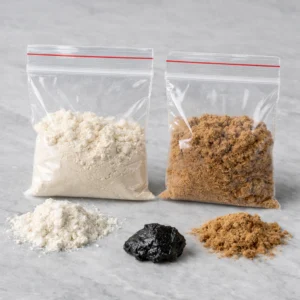
Heroin can appear in several forms, including white or off-white powder, brown powder, and a dark, sticky substance known as black tar heroin. (conceptual image)
Heroin is an illegal opioid derived from morphine, which comes from the opium poppy plant. Depending on how it’s processed, the drug can appear in many different forms.
White Powder
White powder is the most common form of heroin in the United States. It has a fine texture and light color that resembles powdered sugar or flour. It’s often mixed with other substances, such as fentanyl, to increase effectiveness.
Brown Powder
Brown powder heroin ranges in color from light to dark brown. Less refined than white powder, brown powder has a slightly coarser texture.
Black Tar
Black tar heroin is more common in the western United States. It has a sticky, tar-like consistency that may be soft and pliable or hard and brittle.
Smell, Texture, and Packaging
In addition to form, heroin is identifiable by other factors, including smell, texture and packaging.
Smell
In its purest form, heroin has a faint vinegar smell due to the chemicals involved in processing. Some samples may not have a scent at all. However, some individuals who process the drug can alter the scent, making it an unreliable means of identification.
Texture
Because heroin is often mixed with other chemicals, it’s often not used for identification.
- White powder. Fine, soft texture that resembles powdered sugar or flour
- Brown powder. Clump, grainy texture
- Black tar. Ranges from hardened chunks to a sticky, gummy gel-like substance
Packaging
- Small envelopes or wax paper
- Tiny plastic baggies
- Foil wraps
- Balloons
Wax paper packets are often stamped with names or logos. These markings do not ensure the drug is pure or safe for use.
Heroin vs. Fentanyl (How the Supply Has Changed)
Heroin is cheaper than many prescription opioid medications. However, it’s often more expensive to produce than synthetic drugs like fentanyl. For this reason, many dealers add fentanyl and other similar substances to help increase profit margins and to enhance the effects of the drug. This change in the supply has increased the risk of overdose.
Common Paraphernalia
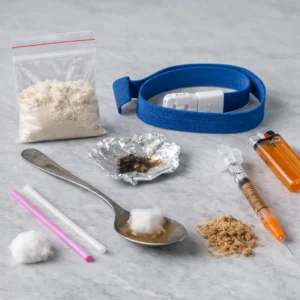
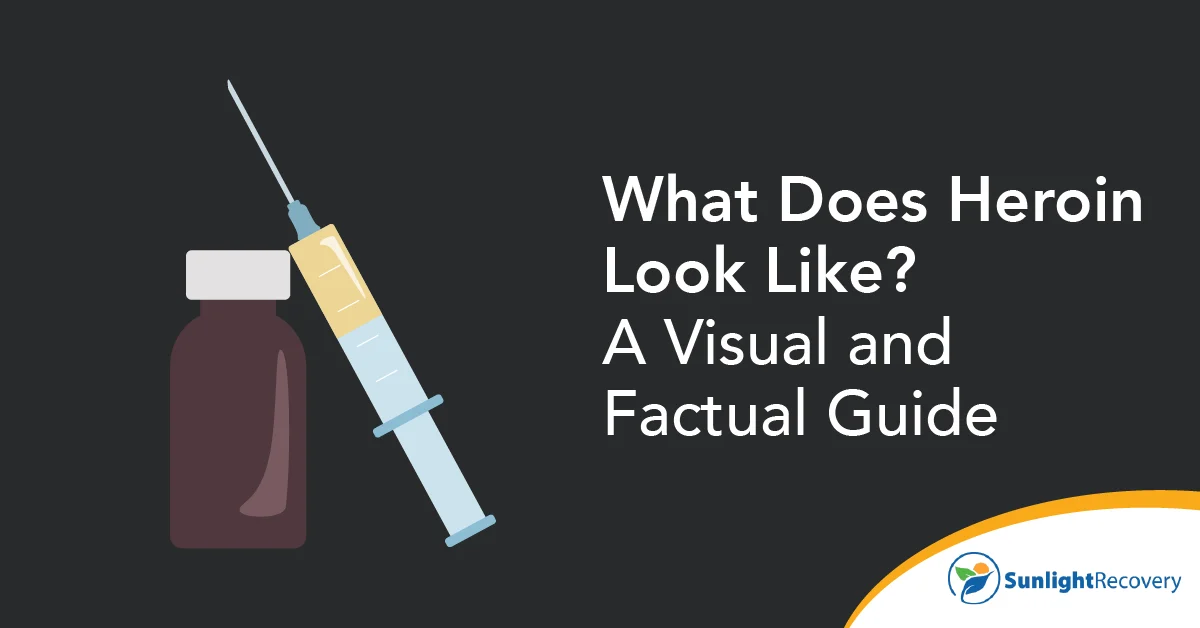
A heroin “kit” may include items such as a syringe, spoon, lighter, cotton, and tourniquet, which are commonly used to prepare and administer the drug. (Concept image)
Drug use equipment or drug paraphernalia varies depending on the type of drug and the method of use. Heroin is usually injected, snorted or smoked. Common items associated with use include:
- Syringes and needles
- Metal spoons or bottle caps
- Lighters and matches
- Cotton balls or cotton fibers
- Tourniquets (belts, shoelaces or rubber tubing)
- Small baggies or folded paper packets
- Straws or rolled paper
- Burnt foil
The presence of multiple items is a good indicator of drug use.
Signs Someone May Be Using
Heroin use and abuse can be life-threatening. By learning to recognize the signs of use, you can intervene before damage is done. Some of the most common signs include:
- Changes in sleep
- Withdrawal from social situations
- Frequent flu-like symptoms
- Visible signs of injection marks on the arms
- Decline in work or school performance
- Hidden paraphernalia
- Financial problems
- Sudden weight loss
- Loss of interest in hobbies and activities
Recognizing Addiction and Getting Help at Sunlight Recovery
Heroin is highly addictive, meaning you can become addicted after just a few uses. Over time, the body adjusts to the dosage, and it takes more of the drug to deliver the same effects. Opioid use disorder, or the chronic overuse of opioids, happens when an individual continues to use the drug even though there may be harmful physical and mental symptoms. Some of the signs of addiction include:
- Avoiding time with family and friends
- Changes in behavior
- Risky behaviors
- Constant scratching
- Financial hardships
- Excessive energy
- Changes in hygiene
- Engaging with new friends and groups
- Acting nervous or irritated
- Withdrawal symptoms
Withdrawal can begin within hours of the last dose and can be physically and emotionally difficult to deal with. In some cases, withdrawal symptoms can be life-threatening. Because of this, most individuals are unable to stop taking the drug instantly on their own and require medical detox in a controlled environment.
If you have a loved one who’s displaying multiple signs of addiction, it’s time to intervene.
How Sunlight Recovery Can Help
Sunlight Recovery offers a wide range of treatment options to help individuals struggling with addiction. These include:
- Medically supervised detox
- Inpatient or outpatient treatment
- Medication-assisted treatment (MAT)
- Counseling
- Group therapy
- Relapse prevention
- Family support
FAQ
- Can you tell if heroin has fentanyl and other substances by its appearance?
Most addictive substances, like fentanyl, are similar in appearance to heroin, so they can’t be detected just by looking at them. The only way to determine for certain if there are additives is through laboratory testing. - What do track marks on the arms look like from heroin use?
Track marks are visible scars or puncture marks that appear along the veins in the arm. They are caused by damage from repeated injections. - Is addiction treatable?
Evidence-based treatment programs are very effective at treating heroin addiction. These treatment programs, like medication-assisted treatment and detox, are best suited in a controlled environment.
Reaching Out for Help
If you or someone you love struggles with addiction, it’s never too late to seek help. Contact Sunlight Recovery to speak to one of our caring counselors who can help you get on the path to recovery.