
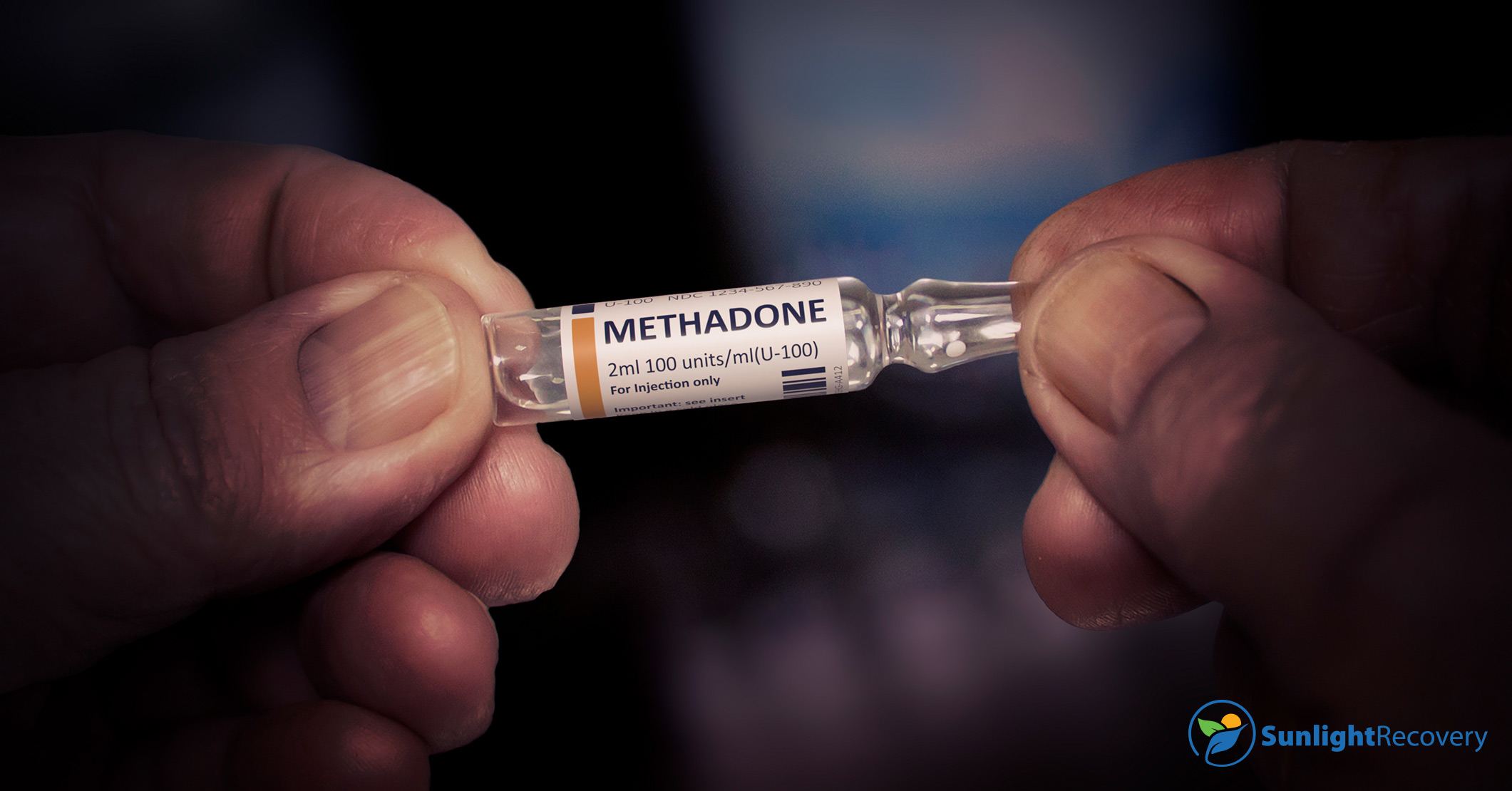
Methadone is a supervised, prescription opioid used to treat heroin and painkiller addiction by reducing withdrawal symptoms and cravings. Common side effects include constipation, nausea, drowsiness, dry mouth, sweating, and headaches — most of which improve as your body adjusts. Serious but rare side effects include breathing difficulties, heart rhythm problems, and seizures. You should never stop methadone abruptly; always taper under a doctor’s supervision. For most people with opioid use disorder, the benefits of methadone maintenance treatment significantly outweigh the risks.
Your provider may recommend methadone therapy if you use opioids such as heroin or prescription painkillers. There are several myths around methadone treatment that leave people asking: is methadone bad for you? While there are real potential side effects, a methadone maintenance program is a proven path to recovery — and an estimated 25% of individuals struggling with opioid use disorder have been prescribed it. Below, we’ll walk through what to expect, how to manage side effects, and when to seek urgent help.
What Is Methadone and How Does It Work?
Methadone is an opioid medication used to treat addiction to other opioid drugs such as heroin and prescription painkillers. When administered by healthcare professionals in an inpatient or community setting, it helps people avoid the risks of illicit drug use by relieving withdrawal symptoms and reducing cravings — without producing the high associated with street opioids at therapeutic doses. It also significantly reduces the risk of accidental overdose and HIV transmission from needle sharing.
Methadone generally starts working within about 30 minutes. Dosages used in addiction treatment don’t typically cause euphoria, but psychoactive effects can occur if more than the prescribed amount is taken. For this reason, methadone maintenance treatment is administered under supervision, particularly in the early weeks when the correct dose is being established.
It’s worth noting that methadone must be taken at a designated clinic or doctor’s office — unlike Suboxone, it is not approved for unsupervised home use. Buprenorphine (Suboxone) is a common alternative that may suit patients who experience difficult side effects from methadone. Sustained-release oral morphine is another option worth discussing with your provider.
Immediate Methadone Side Effects
Many people experience minor, manageable side effects when starting methadone, particularly as the body adjusts to the medication. Common early side effects include:
- Constipation
- Nausea and vomiting
- Stomach pain
- Headache
- Drowsiness, lightheadedness, and fatigue
- Dry mouth, eyes, and nasal passages
- Flushed or itchy skin, sweating, or chills
- Changes in vision
- Skin reactions including rash, hives, or urticaria — report these to your provider promptly as they may indicate an allergic reaction
- Urinary retention (difficulty fully emptying the bladder)
Most of these side effects improve as your body adjusts to the medication. If symptoms are severe or don’t improve, contact your healthcare team — a dosage adjustment may help.
More serious immediate side effects, including seizures, hallucinations, and breathing difficulties, are most common at the start of treatment. Your provider will monitor you closely during the first few weeks to establish the correct dose.
Long-Term Side Effects of Methadone
With extended use, some patients experience longer-term effects, including:
- Weight gain
- Sleep problems
- Mood changes
- Irregular menstruation
- Reduced libido
- Erectile dysfunction and reduced testosterone — in one study from China, 55.7% of men taking methadone reported erectile dysfunction
- Muscle aches or cramping
- Changes in color perception, such as difficulty distinguishing blue from yellow
Over time, the liver retains methadone and releases it slowly, prolonging its effects. You may also develop desensitization to the medication, reducing side effects but potentially also reducing the treatment’s benefits. Your provider can adjust your dose or suggest lifestyle changes to manage long-term effects.
When to Call 911
Seek emergency care immediately if you or someone taking methadone experiences any of the following:
- Trouble breathing, shallow breathing, unusual wheezing, or the feeling of not getting enough air
- A cough producing pink, foamy mucus
- Irregular heartbeat, fluttering sensations, or a pulse that feels significantly faster or slower than normal
- Sudden vision loss, persistent blurred vision, or a severe pounding headache that worsens when coughing or straining
- Blood in urine or stool, especially if sudden or recurring
- Confusion or loss of consciousness
Risk of Dependency
Because methadone is an opioid, physical dependence can develop during treatment. However, dependence on prescribed methadone is significantly safer than dependence on street opioids — you avoid the risks of impure drugs, accidental overdose, and needle-borne infections. The high level of medical supervision in a treatment program also greatly reduces the risk of taking too much. If your medication stops working effectively, consult your provider rather than increasing your dose independently.
Methadone Withdrawal Symptoms
Stopping methadone abruptly causes withdrawal. Because methadone is a long-acting opioid, withdrawal symptoms tend to start later and last longer than those from short-acting opioids like heroin — typically beginning 12 to 48 hours after the last dose and lasting 10 to 20 days. Common methadone withdrawal symptoms include:
- Nausea and vomiting
- Diarrhea
- Muscle cramps
- Increased sweating
- Difficulty sleeping
- Dry eyes
Always speak to your provider before stopping methadone. The longer you continue treatment, the higher your chances of sustained recovery. If you decide to stop, your provider will typically recommend a gradual taper — taking slightly less over an agreed period — often alongside psychosocial support to help manage the physical and emotional effects. Medications are also available to ease specific withdrawal symptoms if needed.
Interactions With Other Substances and Medications
Methadone interacts with a range of substances and should never be combined with other opioids, alcohol, or benzodiazepines, as these combinations significantly increase overdose risk. Alcohol in particular enhances methadone’s effects — ask your provider about safe limits if you drink.
Prescribed medications can also affect how your body processes methadone. Certain drugs used to treat HIV or tuberculosis, for example, cause the body to metabolize methadone more quickly, which may require a dosage adjustment to prevent withdrawal symptoms. People on methadone often develop an opioid tolerance, meaning they may need higher doses of opioid-based pain medications to achieve relief. If you need pain management, discuss non-opioid alternatives with your doctor.
Managing Methadone Side Effects
Many side effects can be addressed with simple self-care measures:
- Constipation: Stay hydrated, eat a high-fiber diet, and remain physically active.
- Nausea: Drink plenty of water; over-the-counter remedies may help — ask your provider which are safe alongside methadone.
- Headaches: Over-the-counter pain relief is usually effective; consult your provider if headaches are severe or persistent.
- Dry eyes: Hydrating eye drops can provide relief.
- Sweating and dehydration: Increase fluid intake, particularly if you are also experiencing diarrhea.
Severe or persistent side effects may indicate your dose needs adjustment. Keep your provider informed of anything that’s affecting your quality of life.
Frequently Asked Questions
- How do I know if methadone is right for me?
Methadone is typically a good fit if you have significant opioid cravings or withdrawal symptoms and need structured medical support. Your provider will review your full medical history, substance use history, and any preexisting conditions before making a recommendation. If methadone isn’t suitable — due to allergies, side effects, or other factors — alternatives like buprenorphine (Suboxone) or sustained-release oral morphine may be considered. - How long do methadone side effects last?
Short-term side effects such as nausea, headaches, and drowsiness typically improve within the first few weeks as your body adjusts to the medication. The immediate effects of each dose generally last 1 to 5 hours, though respiratory effects can last longer. With long-term use, the liver retains methadone and releases it gradually, which can both extend effects and reduce them over time as tolerance develops. Persistent or worsening side effects at any stage are worth discussing with your provider. - Can I stop taking methadone when I feel ready?
Not without medical guidance. Stopping methadone abruptly triggers withdrawal symptoms that can be more prolonged and uncomfortable than withdrawal from short-acting opioids — lasting anywhere from 10 to 20 days. Your provider will recommend a gradual taper, reducing your dose incrementally over an agreed period to minimize symptoms. Generally, the longer you remain in treatment, the better your long-term recovery outcomes, so the decision to taper should be made carefully with your care team. - Is it dangerous to drink alcohol while taking methadone?
Yes. Alcohol amplifies methadone’s effects and significantly increases the risk of overdose. You should limit alcohol consumption during treatment and discuss safe limits — or abstinence — with your provider. Other substances to avoid entirely include other opioids, benzodiazepines (such as Xanax, Valium, or Ativan), and illicit drugs.
Get Expert Support Today
If you or someone you love is struggling with an addiction to heroin or opioids, a methadone maintenance program can help you achieve freedom from drugs. The team at Sunlight Recovery provides tailored medication-assisted treatment, medical detox, and comprehensive rehabilitation programs. Contact us today to explore your treatment options.