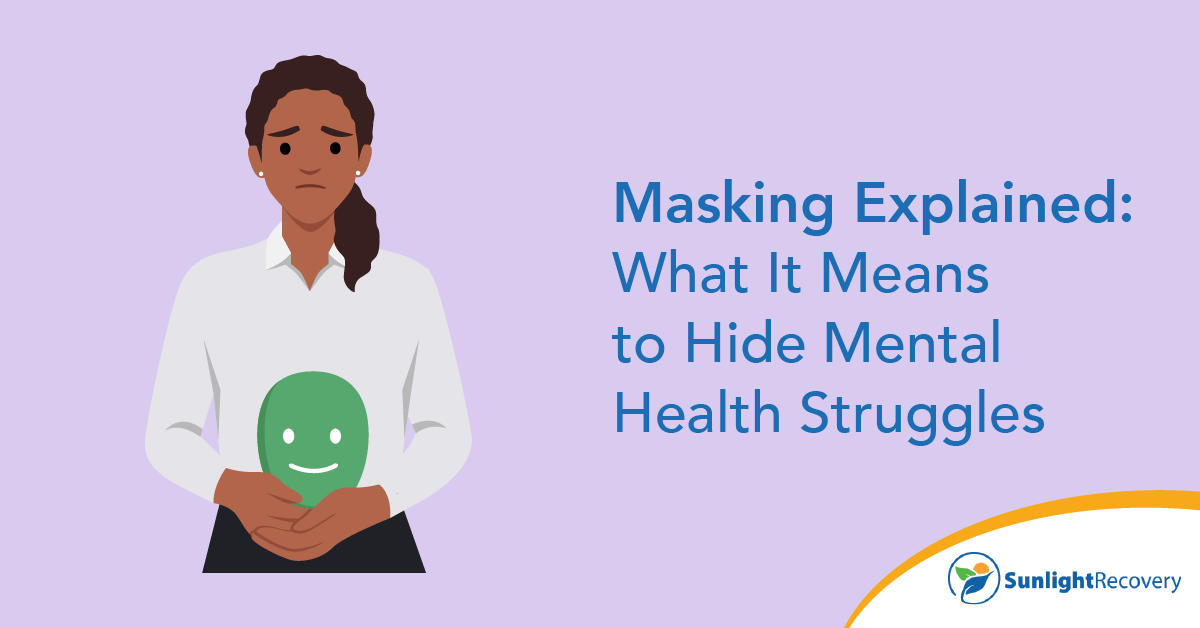

Talking about mental illness can be challenging, especially for someone who hasn’t dealt with the issue themselves. If you want to support those in your life living with mental health challenges, knowing the politically correct term for mental illness and what terms to avoid can help greatly. Beginning the conversation with sensitivity and inclusive language helps people feel safe to open up about their challenges.
In this article, we’ll explore some common questions people have about talking about mental health. Is “mental illness” politically correct? What’s the best way to mention someone’s difficulties without reinforcing stigmas? We explain it all here.
Why Open Conversations About Mental Health Are Important
An estimated 1 in 5 adults in the United States lives with some form of mental illness. Despite mental health challenges being so common, many people find it hard to talk about the difficulties they’re facing. This difficulty is caused, in part, by a lack of vocabulary to talk about it.
Is “mentally ill” offensive? What sort of questions can you ask a person if you’re concerned about their health? How can you support a person without taking away their agency? Open conversations about mental illness give people the opportunity to share their challenges, ask for the help they need and educate and inform others.
Tips for Talking to Friends, Family or Coworkers
The way you talk to someone about their mental health depends in part on your relationship with them. If the person you’re speaking to is an employee or a coworker, a level of professionalism must govern the interaction. You can be more informal if it’s a friend or family member. However, respect should always be at the forefront.
If the person you’re supporting has a confirmed diagnosis from a licensed professional, it can help to learn about the condition before you talk to them. Having a basic understanding of common signs and symptoms will help you think of questions and give you an idea of what to expect.
If you’re worried about someone and want them to seek help for a change in their mood or behavior, a different approach may be required. Avoid language that might be offensive, such as “crazy” or “psycho.” Focus on behaviors, and frame your concerns as wanting to help the person. Here are some examples:
- “I’ve noticed you seem quiet and less engaged with the team than normal. Is there anything going on we can help you with?”
- “You’re a good worker, but I’ve noticed you’ve been having trouble with difficult calls recently. What do you think is causing that? Can I support you in any way?”
Don’t try to diagnose the person, and if they do disclose any issues, such as depression, don’t try to treat them yourself. Offer support while maintaining clear boundaries. Keep in mind that you’re not acting as a therapist.
Using the Politically Correct Term for Mental Illness and Avoiding Stigmatizing Terms
Language matters more than you might think, and using the politically correct term helps people feel safe and supported. One simple way to make a big difference is to word references to mental illness the same way you would physical illnesses.
Consider the difference between “Sally has anxiety” versus “Sally is an anxious person.” To a person living with a mental illness, the distinction between the illness being something that affects them versus something that defines their identity is important.
If someone has a diagnosis and is using a specific name for their condition, be sure to respect that. The Diagnostic and Statistical Manual of Mental Disorders (DSM) is updated regularly, often reclassifying, renaming or changing the definitions of mental illnesses and developmental disorders. This means someone diagnosed with a condition today may receive different information or have different treatment experiences than someone who received a diagnosis several years ago.
Every person’s experience with a diagnosis is different. For example, some people on the autism spectrum consider the term “autist” or even “autistic” offensive, while others don’t. Focusing on using identity-first language and asking the person you’re speaking to what terms they prefer is a safe approach when speaking to someone with a developmental disorder or mental health condition.
How to Share Your Own Experience Safely
Sharing your own experiences can help create an environment where people feel safe and supported. Some tips when discussing your mental health include:
- Choose the right time and place to do so. Make sure you’re in the right frame of mind and the environment is supportive.
- Be honest and direct about your experiences so people can gain an understanding.
- Try using “I” statements to focus on your feelings and experiences without seeming confrontational.
- Plan ahead and think about what to say, just in case you feel overwhelmed.
- Be prepared to stop the conversation if you feel it’s getting too personal.
Supporting Others When They Open Up
If someone wants to talk to you about their mental health, try to be supportive without attempting to diagnose them or make specific treatment suggestions.
Practice active listening. Ask them questions about how they feel, and give them time to answer without interrupting. Try not to make judgments or offer unsolicited advice. Instead, ask them what would be most helpful. If they aren’t already getting support from a professional, encourage them to do so. A trained counselor can offer much more help than a layperson.
After the conversation, check back with them later. Even a simple phone call or message can make a big difference to someone who is struggling.
Creating a Culture of Compassion and Understanding
The last few years have seen many societal improvements in the area of mental health, but the stigma is still there. To improve the culture in your workplace or friend group, lead by example. Talk about your own mental health, and be supportive of those who are open about theirs. Share resources and direct people to local counselors and therapists.
If you know someone who’s struggling with their mental health, tell them help is available. At Sunlight Recovery, we work with people struggling with addiction and mental health issues. Contact us today to talk to an admissions counselor or get confidential insurance verification.