
Quick Answer
Alcohol is detectable in blood for up to 12 hours, breath for up to 24 hours, saliva for up to 48 hours, urine for up to 3–5 days (or up to 80 hours with an EtG test), and hair for up to 90 days. How quickly your body processes alcohol depends on your age, sex, weight, diet, and how much you drank. A healthy liver processes roughly one standard drink per hour and cannot be sped up. Alcohol detox — for those with alcohol dependence, typically takes one to several weeks depending on the severity of use.
How long does alcohol last in your body? Whether you had a glass of wine at dinner or several drinks with friends, understanding how long alcohol stays in your system matters for safe driving, workplace testing, and recovery. Science has given us clear answers, and some of them may surprise you.
How the Body Processes Alcohol
When you consume alcohol, it enters the digestive system and passes through the stomach and small intestine. Some people have stomach enzymes, dehydrogenase (ADH) and aldehyde dehydrogenase (ALDH),that help break down alcohol before it reaches the bloodstream. Women tend to have lower levels of ADH than men, which is one reason they generally have lower alcohol tolerances.
Your stomach absorbs approximately 20% of the alcohol you drink, while your small intestine absorbs the remaining 80% before it travels to your bloodstream. From there, alcohol is transported throughout the body, which is why it affects so many different systems at once.
The liver does most of the work metabolizing alcohol, processing roughly one standard drink per hour (a 12-ounce beer, 5 ounces of wine, or 1.5 ounces of spirits). The bloodstream eliminates alcohol at a rate of 0.015g/100mL per hour. Approximately 90% of alcohol that enters the body is metabolized by the liver; the remainder is expelled through sweat, urine, breath, and feces.
When someone drinks faster than the liver can process, alcohol accumulates in the blood, this is alcohol poisoning. If this happens repeatedly, it can eventually cause damage to the brain and tissues. Your genes, liver health, and overall tolerance all affect how efficiently your liver handles alcohol, and there is no reliable way to speed up the process.
Factors That Affect How Long Alcohol Stays in Your Body
The number of drinks consumed is the single biggest factor in how long alcohol stays in your system, but several others play a meaningful role:
Age. As we get older, the body metabolizes alcohol more slowly, partly because we have less body water, which contributes to a higher blood alcohol concentration (BAC) for the same number of drinks.
Biological sex. Women generally metabolize alcohol more slowly than men due to lower levels of the ADH enzyme, a higher body fat percentage and lower body water percentage, hormonal fluctuations (BAC tends to peak higher right before menstruation), and differences in average height and weight meaning the same number of drinks has a greater impact.
Diet. Drinking on an empty stomach can raise your peak BAC to an estimated three times higher than if you’d eaten beforehand. Food in the stomach dilutes alcohol and slows its passage into the small intestine.
Medications. Some medications interfere with the body’s ability to break down alcohol, resulting in a higher BAC. This is particularly common with medications for anxiety, ADHD, cough and cold, and diabetes. Always check with your provider if you drink while taking prescription medication.
Body size. The less a person weighs, the less water they have in their body. Since alcohol distributes through body water, a smaller person will have a higher BAC from the same amount of alcohol.
Reasons and Timing for Alcohol Testing
Alcohol testing is used in a variety of situations — not just roadside DUI checks. Common reasons include employment screening, legal and regulatory compliance, post-accident investigations, rehabilitation and treatment program monitoring, probation and court-ordered testing, and personal assessment of sobriety or fitness to drive. Different testing methods suit different purposes, so knowing the options matters.
Types of Alcohol Tests and Detection Windows
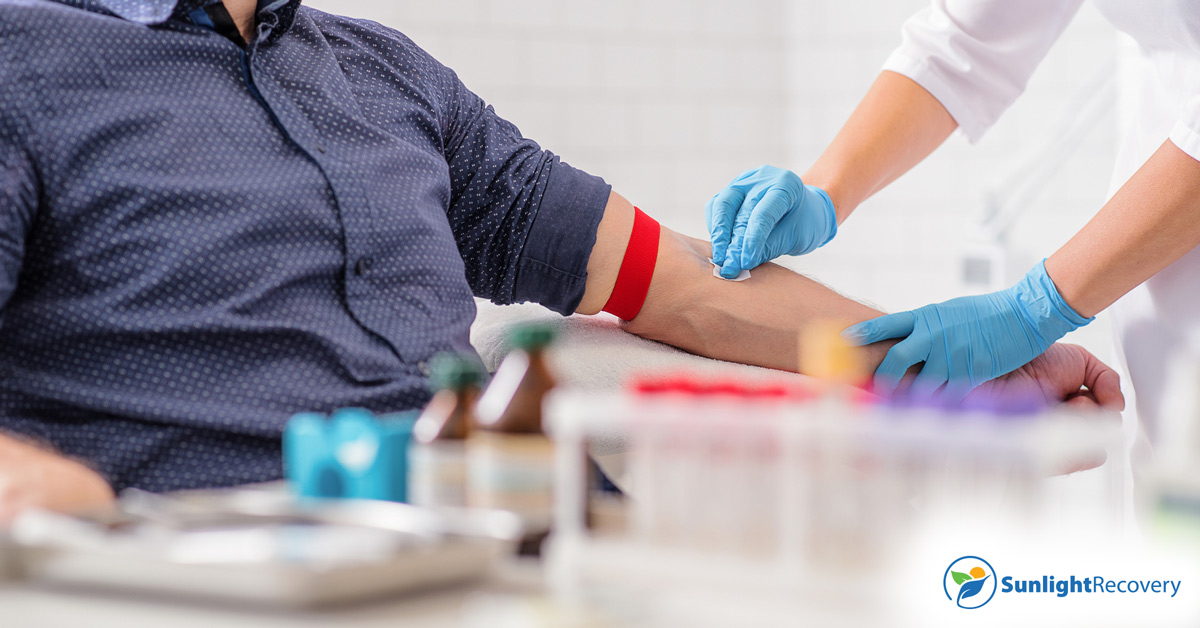
Blood tests are the gold standard for measuring alcohol concentration — accurate, reliable, and trusted by both law enforcement and medical professionals. A trained professional draws a small sample and analyzes it for alcohol concentration expressed as a percentage. The National Institute on Alcohol Abuse and Alcoholism estimates blood can show alcohol for up to 6–12 hours after the last drink, after which concentration drops too low for reliable measurement. Timely testing is critical for accurate results.
Breath tests: administered via breathalyzer — have been used since 1954 and remain the most common roadside testing method. A breathalyzer measures alcohol evaporating from the mouth as you breathe into it, detecting alcohol for up to 24 hours after the last drink. In most jurisdictions the legal driving limit is 0.08% BAC. Note that breathalyzers are less accurate at higher BAC levels and work best for detecting low concentrations.
Urine tests come in two forms. The traditional method detects alcohol for up to 10–12 hours. The ethyl glucuronide (EtG) test is significantly more sensitive and can detect alcohol for up to 3–5 days (or up to 80 hours) after the last drink. Urine tests are commonly used in workplace testing and rehabilitation programs.
Saliva tests are non-invasive and easy to administer on-site, making them suitable for roadside sobriety checks and workplace screening. Detection window: up to 24–48 hours after the last drink.
Hair tests offer the longest detection window of any method, up to 90 days after the last drink, depending on hair growth rate and sample length. They are particularly useful for monitoring long-term sobriety and identifying patterns of habitual use rather than detecting recent consumption.
Can Alcohol Test Results Be Manipulated?
When facing an alcohol test, some people wonder if there’s a way around it. The short answer is no — not reliably. Testing organizations use strict procedures specifically designed to prevent tampering or sample manipulation. Common myths, like using mints or sucking on a penny to fool a breathalyzer, don’t hold up. A well-executed alcohol test is very difficult to beat, and attempting to cheat one can carry serious legal consequences.
If the desire to manipulate a test is present, it’s worth considering what that signals. Seeking help from a professional or support group is a far better path than trying to mask the problem.
How Long Does Alcohol Detox Take?
For people with alcohol dependence entering alcohol addiction treatment, the first step is detoxification — clearing the alcohol from the body and managing the withdrawal symptoms that follow. How long alcohol detox takes depends on factors including weight, age, frequency and volume of drinking, and overall health.
Withdrawal symptoms can begin as early as two to six hours after the last drink. The heavier the drinking history, the more intense and prolonged the symptoms will be. Most withdrawal symptoms subside within a week, though in some cases persistent symptoms can last up to a month or longer. Once withdrawal resolves, a person is considered effectively detoxed, though trace amounts may still appear in a hair test. At that point, the focus can shift to the next stage of treatment.
If you test positive for alcohol when expected to be sober, it’s worth honest reflection — and possibly a conversation with a professional about next steps.
Frequently Asked Questions
- How long after drinking is it safe to drive?
There is no universal answer because it depends on how much you drank, your weight, sex, age, and whether you ate beforehand. As a general guide, the body eliminates alcohol at roughly 0.015% BAC per hour, and the legal driving limit in most US states is 0.08% BAC. The only safe approach is to wait until you are confident your BAC is at zero, when in doubt, don’t drive. A breathalyzer test is the most accessible way to check. - Does drinking water or coffee help you sober up faster?
No. Water, coffee, food, and exercise do not speed up the liver’s ability to metabolize alcohol. They may help you feel more alert or address dehydration, but your BAC will decrease only at its natural rate of roughly 0.015% per hour. The only thing that genuinely sobers you up is time. - How long does alcohol show up on an EtG urine test?
The ethyl glucuronide (EtG) test is significantly more sensitive than a standard urine test and can detect alcohol metabolites for up to 3–5 days (approximately 80 hours) after the last drink. Because of its sensitivity, it can sometimes return a positive result from incidental alcohol exposure — such as certain mouthwashes or hand sanitizers, so results are typically interpreted alongside other information in clinical or legal settings. - What are the first signs of alcohol withdrawal?
Withdrawal symptoms typically begin within 2 to 6 hours of the last drink in people with alcohol dependence. Early signs include anxiety, tremors, sweating, nausea, headache, and insomnia. More severe symptoms such as seizures or delirium tremens (DTs) can develop within 24 to 72 hours in heavy, long-term drinkers. Medical supervision during detox is strongly recommended, alcohol withdrawal can be dangerous and in some cases life-threatening without proper care.
Start Your Recovery at Sunlight Recovery
If alcohol is affecting your life or the life of someone you love, help is available. Sunlight Recovery offers medical detox, residential treatment, and outpatient care — all tailored to your individual needs. Contact us today to take the first step toward a healthier, sober life.