
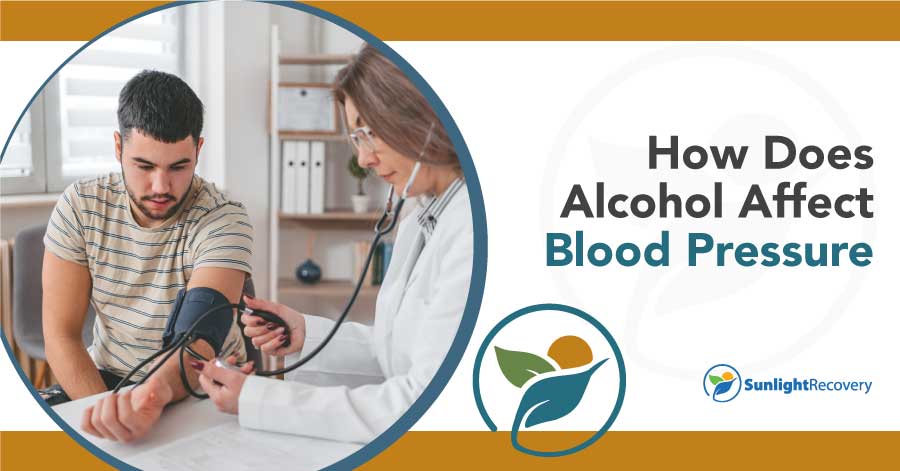
What’s rarely discussed is the relationship between alcohol and blood pressure — partly because high blood pressure, or hypertension, is known as the “silent killer.” It has no obvious symptoms, doesn’t interfere with daily life, causes no pain, no shortness of breath, no aches. Yet left unmanaged, it often leads to life-threatening outcomes: stroke, heart attack, kidney or heart failure, and eye damage. By the time it causes problems, the window for easy prevention may have already closed — which is exactly why your doctor checks your blood pressure at every visit.
Understanding Blood Pressure: What the Numbers Mean
Blood pressure is the long-term force of blood being pushed from your heart against the walls of your arteries. The more blood your heart pumps and the narrower your arteries, the higher the reading.
A blood pressure reading has two numbers. The top number (systolic pressure) measures the pressure in your arteries when your heart beats. According to the CDC, a systolic reading of 120–139 mm is considered prehypertension; 140 mm or above is high. The bottom number (diastolic pressure) measures the pressure when your heart is at rest between beats. A diastolic reading of 80–89 mm is prehypertension; 90 mm and above is high.
Does Alcohol Raise Blood Pressure?
The short answer is yes, but the mechanism is more nuanced than most people realize. In the very short term, alcohol can actually lower blood pressure slightly. As explained by the Oxford Academic Journal, nitric oxide in alcohol causes arteries to widen temporarily. That’s the relaxed feeling many associate with a drink or two. But the keyword is temporarily: just 13 hours after your last drink, your arteries have constricted and blood pressure is back to normal, or elevated, depending on how much you drank.
Drink more than three 355ml bottles of beer or three 5-ounce servings of wine in one sitting and the short-term drop is replaced by an increase in heart rate and systolic pressure. If you already have high blood pressure or cardiovascular disease, that spike raises your risk of stroke and other serious events.
Why Alcohol Raises Blood Pressure Over Time
With regular drinking, several physiological mechanisms drive blood pressure up:
- Alcohol raises calcium levels in the body, which narrows the arteries and elevates blood pressure.
- Alcohol prompts the brain and nervous system to release adrenaline, speeding up the heart rate.
- It also triggers the release of cortisol, a stress hormone that causes water retention and higher blood pressure.
- Alcohol increases vasopressin, another hormone that drives water retention.
- It elevates activity in the renin-angiotensin-aldosterone system, which regulates blood pressure by balancing fluid and electrolyte levels.
- Regular drinking is associated with depression, which reduces blood flow to the heart and triggers further cortisol release.
- The sugar content in alcohol frequently leads to weight gain, and excess weight independently raises blood pressure.
One additional theory is that alcohol stimulates the adrenal glands directly, producing an elevated heart rate and increased systolic pressure over time.
The Long-Term Risk: Even Moderate Drinking Counts
It’s tempting to think that only heavy drinking causes cardiovascular harm. The data says otherwise. According to the American Heart Association, even people who have just one alcoholic beverage per day show signs of higher blood pressure than nondrinkers. An analysis of seven international studies found that regular drinkers, at both low and high levels, have elevated blood pressure and greater risk of cardiovascular events.
If you have 13 drinks per week, roughly one or two glasses of wine a night, which qualifies as moderate drinking, you are twice as likely as a non-drinker to develop high blood pressure. If you’re a moderate drinker who also has diabetes, your odds of developing hypertension triple.
Persistently high blood pressure raises your risk of serious complications, including:
- Stroke
- Heart disease
- Vascular dementia
- Kidney disease
- Heart failure and eye damage
Can Quitting Alcohol Reverse High Blood Pressure?
The encouraging news is that the damage isn’t permanent. Blood pressure can normalize when drinking stops or is significantly reduced. In cases of heavy drinking, blood pressure can decrease noticeably within just a few days. In one research study, 14 heavy drinkers with hypertension were admitted to a hospitalization withdrawal program; after just three days, 13 of them showed markedly decreased blood pressure, though not yet within normal ranges.
Researchers found that, on average, it takes about three weeks after quitting alcohol for blood pressure to reach acceptable levels. The exact timeline varies based on how much a person drank, how long they drank, and their overall health, but the direction of change is consistent: less alcohol means lower blood pressure.
Tips for Managing Blood Pressure
Whether you’re looking to prevent hypertension or manage an existing diagnosis, these lifestyle steps make a meaningful difference:
- Reduce your alcohol intake. CDC guidelines recommend no more than two drinks per day for men and one for women — but there is no truly “safe” level of drinking when it comes to blood pressure. The closer to zero, the better.
- Get regular exercise. The WHO recommends 150–300 minutes of moderate aerobic activity per week, plus muscle-strengthening exercises. Even walking has a measurable protective effect on heart health; swimming is a good low-impact alternative.
- Lose weight if you’re overweight. Slow, sustainable weight loss through portion control and a diet rich in protein, fiber, fruits, and vegetables is far more effective than crash dieting.
- Reduce salt intake. Processed foods high in sodium worsen high blood pressure. Opt for whole foods and avoid adding salt to meals.
- Practice mindfulness or meditation. Stress hormones like adrenaline raise blood pressure. Managing chronic stress actively, not just avoiding it, matters for your cardiovascular health.
If you’ve been diagnosed with high blood pressure, your primary care physician will advise whether medication is needed and what personalized lifestyle changes make sense for your circumstances. Always consult your doctor before making significant changes to your diet or exercise routine, especially if you have preexisting conditions.
Getting Help for Alcohol Dependence
Quitting alcohol isn’t just a matter of willpower, especially after years of dependence. The silent nature of high blood pressure makes it even harder to feel motivated: there’s no pain to signal that something is wrong until the damage is already serious.
At Sunlight Recovery, our team of professionals is trained to guide you safely through a medical detox process, with individualized treatment plans focused on long-term recovery. If you’re ready to take back control of your health, contact us or call today.