
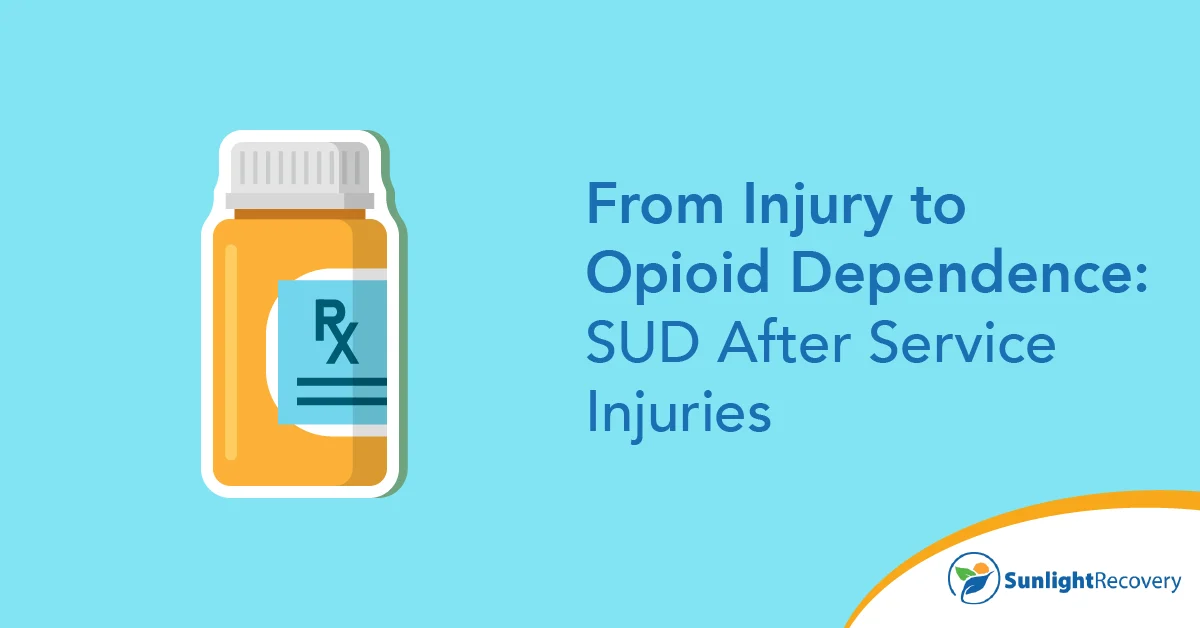
A service member injures their back during training and receives prescription opioids for pain relief. As their recovery continues, the medication becomes part of their daily routine. Over time, their body develops tolerance to the medication to the point where stopping causes withdrawal symptoms.
This is one pathway linking opioid use after a service injury to dependence, although it doesn’t happen to everybody. Prolonged exposure and persistent pain can increase the risk of opioid use disorder (OUD), a type of substance use disorder (SUD).
Understanding how service-related injuries and opioid dependence can become connected is an important step toward recognizing problems early and finding effective, suitable treatment.
Why Service Injuries Can Increase the Risk of Opioid Dependence
Military service places considerable physical demands on the body. Many factors contribute to lasting pain, including training exercises, repetitive strain, vehicle accidents and combat-related injuries.
Chronic injuries, such as back injuries or musculoskeletal conditions, may require ongoing treatment. In some cases, opioids are prescribed to manage severe pain, particularly after surgery or a significant injury.
A systematic review published in BMJ Military Health found that approximately 30% of military veterans in general-population samples experience chronic non-cancer pain. The review highlights the substantial burden of persistent pain among veterans and the importance of effective, long-term pain management.
However, the prevalence of chronic pain doesn’t tell us how many veterans develop opioid dependence or addiction after an injury. Several factors influence these outcomes, including medication exposure and individual health.
Physical Dependence vs. Opioid Use Disorder
Opioid medications act on the body’s opioid receptors, reducing the perception of pain. However, repeated use can produce physical dependence, and withdrawal symptoms may occur if the medication is reduced or stopped. Over time, opioids can also change brain chemistry in ways that affect how the body responds to them.
Physical dependence isn’t the same as addiction. Someone taking opioids exactly as prescribed can develop dependence without compulsive drug use. Tolerance is another consideration. It occurs when the body becomes less responsive to a medication over time, although it doesn’t develop in every patient or necessarily require a higher dose.
Opioid use disorder causes significant distress or impairment. It involves a problematic pattern of opioid use, which may include loss of control, cravings and continued use despite harmful consequences. Physical dependence and tolerance alone don’t establish an OUD diagnosis when opioids are taken under appropriate medical supervision.
| Physical Dependence | Opioid Use Disorder | |
|---|---|---|
| What it is | The body adapts to a medication | A problematic pattern of use that causes distress or impairment |
| Can it happen when taken as prescribed? | Yes | It can develop from prescribed use, but it involves loss of control |
| Common signs | Withdrawal symptoms when the dose is reduced or stopped | Cravings, difficulty cutting back, continued use despite harm |
| Typical approach | Medically supervised dose reduction and continued pain management | Medication for OUD, behavioral therapy and ongoing support |
Why Veterans May Face a Higher Risk of Opioid Addiction
The relationship between military service and opioid addiction is complex. Physical injuries, chronic pain, psychological trauma and challenges adjusting to civilian life can overlap, causing additional difficulties for some veterans.
Service-related injuries don’t always happen in isolation. For example, someone injured in combat may also experience anxiety or post-traumatic stress disorder (PTSD).
Physical discomfort can worsen psychological symptoms, while emotional distress may make pain harder to manage. This interaction can create additional challenges for someone taking opioids.
For example, a veteran might first use prescribed medication to manage an injury but later begin to rely on it to cope with emotional distress or trouble sleeping. This shift can be difficult to recognize, especially when the pain is real and treatment initially provides relief.
At Sunlight Recovery, we recognize the importance of identifying co-occurring mental health concerns when assessing someone for substance use treatment. Through dual diagnosis treatment, addressing the reasons behind substance use becomes part of an individualized recovery plan.
Recognizing Opioid Use Disorder After Military Service
Opioid dependence can develop gradually, making early changes easy to overlook. Veterans may keep working, caring for their families or attending medical appointments while finding it increasingly hard to control their medication use.
Potential warning signs include:
- Taking more medication than prescribed. Using higher doses or taking opioids more often than directed
- Difficulty reducing use. Experiencing cravings or repeatedly failing to cut back
- Seeking additional prescriptions. Getting medication from multiple sources or running out early
- Changes in daily functioning. Neglecting responsibilities or withdrawing from activities you used to enjoy
- Continued use despite harm. Taking opioids even when they contribute to relationship, health or financial problems
Withdrawal symptoms may include sweating, nausea, muscle aches, anxiety and sleep disturbances. However, withdrawal alone doesn’t establish an opioid use disorder diagnosis.
The scale of opioid-related harm makes early intervention particularly important. According to the CDC’s National Center for Health Statistics, the United States recorded an estimated 69,973 drug overdose deaths in 2025, a decrease of almost 14% from 2024.
Although this figure covers the wider population and multiple substances, it highlights the continuing importance of overdose prevention and access to treatment.
Non-Opioid Pain Management Options for Veterans
Managing chronic pain and opioid dependence often requires more than changing medication. Veterans may benefit from approaches that address physical discomfort while reducing reliance on opioids. Some people also experience opioid-induced hyperalgesia, a heightened sensitivity to pain from long-term opioid use, which makes alternatives especially worth discussing.
Depending on the injury and individual circumstances, non-opioid pain management may include:
These approaches may be used individually or alongside other treatments. Veterans should talk with their health care providers about any medication changes rather than stopping prescribed opioids abruptly.
Treatment Options for Veterans With Opioid Use Disorder
Effective treatment needs to address more than opioid use alone. For veterans whose substance use began after an injury, ongoing pain management and psychological care may be equally important.
When opioid use disorder is diagnosed, medication is a central part of evidence-based care. Buprenorphine and methadone can reduce cravings and ease withdrawal symptoms, while naltrexone may be appropriate for some patients once opioid withdrawal is complete. The Substance Abuse and Mental Health Services Administration (SAMHSA) identifies these medications as evidence-based treatments for OUD. Learn more about medication-assisted treatment.
Behavioral therapies can provide additional support. Individual therapy, including cognitive behavioral therapy, may help patients recognize patterns of thinking and behavior that contribute to substance use. Trauma-focused counseling may also be appropriate when PTSD or other psychological conditions are present.
For patients with physical dependence but not OUD, medically supervised dose reduction and continued pain management may be more appropriate than addiction treatment. The right approach depends on a clinical assessment.
Veterans may be able to use VA health care benefits, VA Community Care or TRICARE toward treatment, depending on their eligibility and whether a provider participates in those networks. Check with your benefits administrator before admission.
At Sunlight Recovery, our addiction treatment services begin with understanding each person’s substance use history and individual needs. This includes identifying concerns that may affect recovery and determining the appropriate level of care, from medically supervised detox to residential treatment. Our individualized approach helps our clinical team recommend a treatment and recovery plan that fits your needs.
Frequently Asked Questions
Finding Support at Sunlight Recovery
An injury sustained during military service shouldn’t stand in the way of compassionate, effective treatment for opioid use disorder. Whether opioid misuse developed gradually through prescribed medication or became a way of coping with emotional distress, recovery is possible with the right support.
At Sunlight Recovery, we help people address substance use disorders through personalized treatment and ongoing recovery support. Call our 24/7 admissions line at (855) 625-6684 or contact Sunlight Recovery to discuss treatment options. Every call is confidential, with no obligation.